Is Football a Contact Sport? Rules and Regulations Explained
Football is officially a contact sport, but contact is regulated rather than unlimited. Here is what the Laws of the Game actually permit, and what they do not.
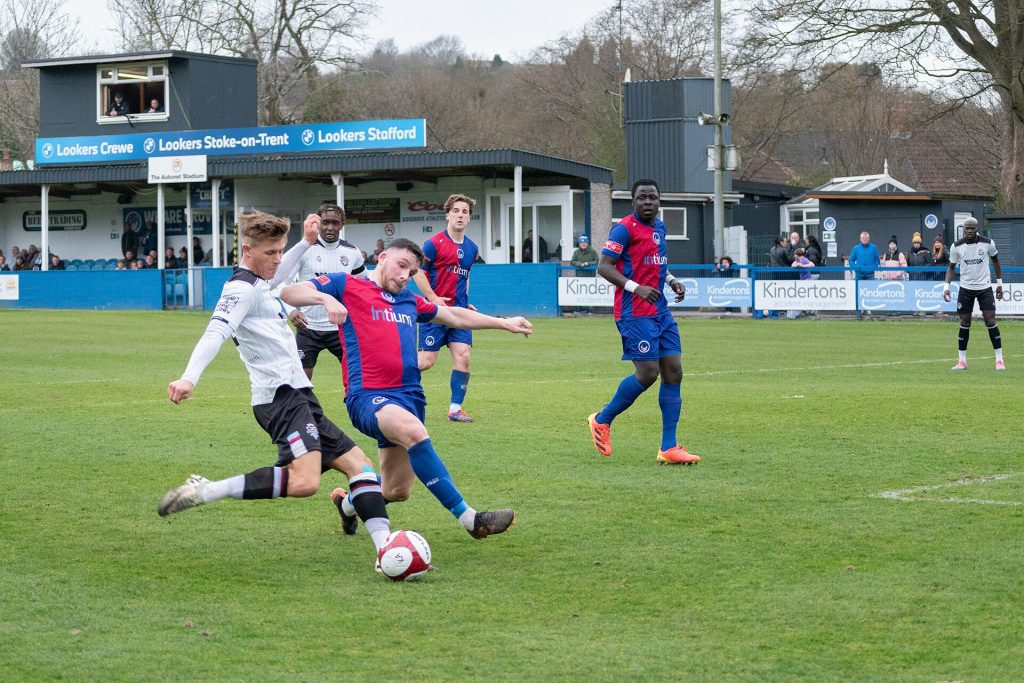
Yes. Football is a contact sport, and it always has been. The question people are usually asking is a narrower one: how much contact is allowed, and where is the line?
That is a more interesting question, because the answer is not fixed. It moves with the referee, the competition and the era.
The definition
A contact sport is any sport in which physical contact between players is an accepted part of play. Football qualifies on that definition without ambiguity. Players make contact when tackling, when challenging for a header, when shielding the ball and when holding position in a crowded penalty area. None of that is incidental — it is the game working as designed.
Where football sits differently to rugby or American football is in regulation, not in the presence of contact. In sports like football and basketball, contact is not mandatory, occurs less frequently and is more tightly regulated than in overtly physical sports such as rugby or American football.
That is the distinction that matters. Football is a regulated contact sport, not a non-contact sport.
What the Laws of the Game actually permit
The Laws do not ban contact. They ban contact that is careless, reckless or uses excessive force. Those three words carry the entire framework.
Legal contact includes:
- Shoulder-to-shoulder challenges when both players are contesting the ball and remain within playing distance
- Physical contact while jumping for a header, provided the challenge is for the ball
- Shielding the ball with the body when it is within playing distance
- Incidental contact during a fair tackle where the ball is played first
Illegal contact includes:
- Tackling from behind with contact on the opponent before the ball
- Using an arm or elbow to gain separation in an aerial duel
- Holding, pushing or impeding a player who is not within playing distance of the ball
- Any challenge endangering an opponent’s safety, regardless of whether the ball is won
The frequently repeated phrase “he got the ball” is not a defence in the Laws. Winning the ball does not legitimise a challenge that used excessive force or endangered an opponent.
Types of contact in football
Broadly, four categories:
Challenging for possession. Tackles and 50-50s. The most heavily officiated category.
Aerial duels. Where the majority of serious head injuries occur, and where arm use is scrutinised most closely.
Shielding and holding position. Legal when the ball is in playing distance, a foul when it is not — a distinction that generates more crowd frustration than any other.
Accidental collisions. Two players running for the same ball at speed. Usually no foul, occasionally a serious injury.
Why the “non-contact” myth persists
Mostly it comes from comparison. Set football next to rugby and it looks gentle. Set it next to tennis and it clearly is not.
There is also a coaching-culture issue at youth level. Football is frequently marketed to parents as a safer alternative to rugby or American football, which shades into implying it is non-contact. It is not, and the injury data does not support treating it as such. Concussion protocols, ACL rates and the ongoing research into heading and neurodegenerative disease all exist because football involves meaningful physical risk.
Has contact become more or less permitted over time?
Less permitted, clearly, over a thirty-year view.
The tackle from behind was outlawed. Studs-up challenges that were once merely “committed” are now straight red cards. Protection of goalkeepers in the six-yard box has expanded substantially. VAR has removed a category of violent conduct that previously went unseen.
What has moved in the other direction is tolerance for holding and grappling at set pieces, which most observers agree is officiated more leniently than the letter of the Laws would suggest.
Frequently asked questions
Is football considered a contact sport?
Yes. Football meets the standard definition of a contact sport, as physical contact between players is an accepted and routine part of play.
Is football a full-contact or limited-contact sport?
Football is generally classified as a limited or moderate contact sport. Contact is permitted and frequent, but it is more tightly regulated than in full-contact sports such as rugby or American football.
Is shoulder-to-shoulder contact legal in football?
Yes, provided both players are genuinely contesting the ball, the ball is within playing distance and neither player uses excessive force or an arm to gain separation.
Does winning the ball make a tackle legal?
No. A challenge can be a foul even if the player wins the ball, if it was careless, reckless or used excessive force, or if it endangered the safety of an opponent.
Is heading the ball being banned?
Heading has not been banned in the adult game. Restrictions on deliberate heading in youth football and in training have been introduced in several countries in response to research into long-term neurological risk.
Photo: Dominic Nelson — Wikimedia Commons, CC BY-SA 4.0.